
Reviewed · CRAFT BEER TOURS
Unique Brewery Tour and One-of-a-Kind Sake Tasting Near Tokyo
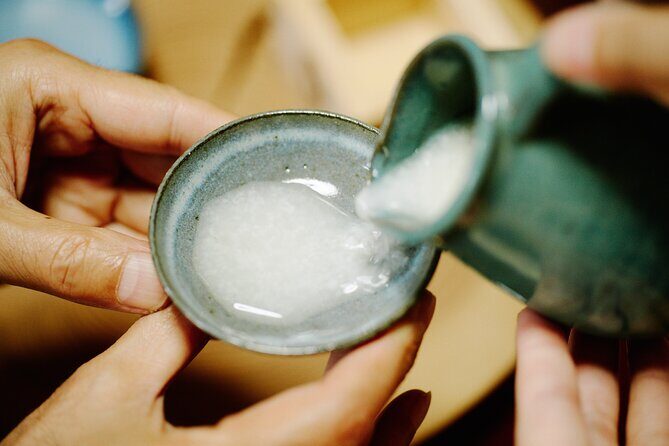
This tour is not about factory shortcuts. At Yamane Brewery in Hannō, you’ll learn how rare doburoku is made—by bottling the unfiltered mash while fermentation keeps going—then taste it in a setting that feels more like a lived-in workshop than a showroom.
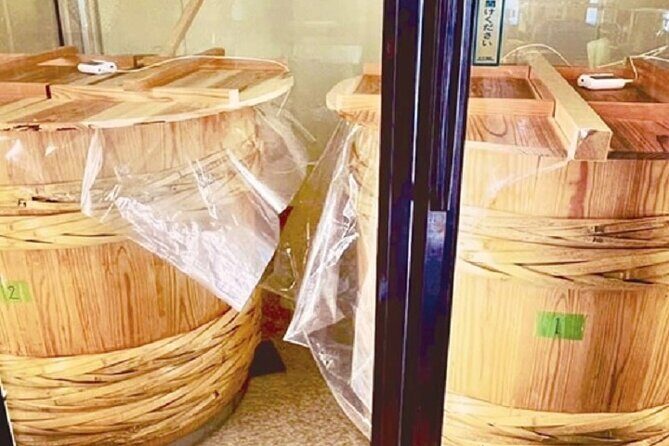
I especially love the craft details: Yamane brews with traditional wooden barrels (using local Nishikawa timber) instead of the usual stainless tanks, so you get subtle wood-and-water flavors that vary batch to batch. And I like that the tasting uses special cups made from 100% Hanno soil, a material that’s no longer produced and comes only in limited quantities.
One consideration: this is a 3 hours 30 minutes program with alcohol included and no lunch provided, so you’ll want to plan what you’ll eat after you get back to Hannō Station.
In This Review
- Key Highlights Worth Marking on Your Map
- Hannō Station: The Easy Start Within One Hour of Tokyo
- Stop 1 on the Clock: Briefing Time Before the Sake Part
- Yamane Sake Brewery: Why the Building and the Barrels Matter
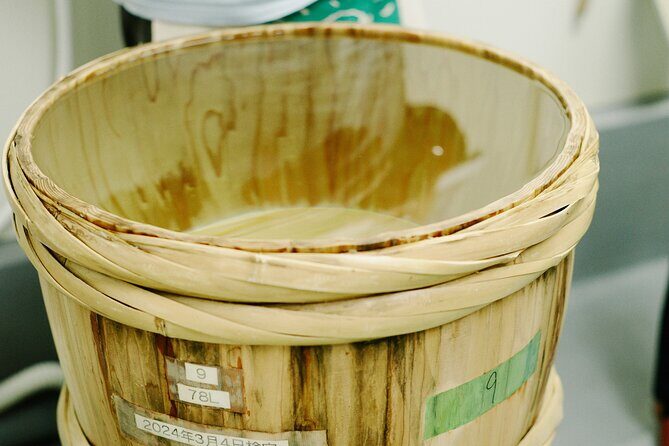
- Wooden barrels change the flavor story
- The bag-hanging technique
- Doburoku: The Rare Sake Style You’ll Actually Understand
- Why fermentation during bottling affects what you taste
- The Tasting: Three Sakes, Local Snacks, and Hanno-Soil Cups
- What to pay attention to during your pours
- The human side of the brewery
- Stop 3 Back at Hannō Station: Lunch Plans You’ll Need to Make
- Price and Value: Is $100.43 Worth It?
- Who This Tour Fits Best (And Who Might Skip It)
- Should You Book Yamane’s Sake and Doburoku Tour?
- FAQ
- Where does the tour start?
- What time does the tour begin?
- How long is the experience?
- How many people are in the group?
- What is included in the tour price?
- Is lunch included?
- Do I need private transportation?
- What happens after the brewery visit?
- Is there free cancellation?
Key Highlights Worth Marking on Your Map
- Doburoku explained simply: you’ll see why it’s hard to store and rarely served in restaurants
- Wooden-barrel brewing with Nishikawa timber instead of stainless tanks
- Rare tasting cups from Hanno soil (100% of the material, limited supply)
- Three sake tastings plus tsumami-style snacks
- Small group size (max 8) for better questions during the talk
- Meet at Hannō Station and you ride a bus with the guide between stops
Hannō Station: The Easy Start Within One Hour of Tokyo
Hannō is a practical base if you want to get out of the Tokyo rush without committing to a long day. You can reach Hannō in about an hour by train from Tokyo, and from there it’s also a jump-off point for places like Chichibu, Kawagoe, and Moominvalley Park.
You’ll start at Hannō Station and meet your guide by the tour placard at the ticket gates. Then you’ll link up with the group, get a briefing, and walk to the bus. This is one of those tours where the first 10 minutes matter: you’ll feel oriented before you even reach the brewery.
The tour timing starts at 1:00 pm and runs about 3 hours 30 minutes total. There’s no wasted wandering, but you should arrive a little early so the handoffs feel smooth.
If you're still narrowing it down, here are other tours in Saitama Prefecture we've reviewed.
Stop 1 on the Clock: Briefing Time Before the Sake Part
The first stop is basically logistics plus orientation—40 minutes with no tasting yet. You’ll exit the ticket gate, find the guide holding the placard, meet your small group, and then move together to the bus.
What I like about this approach is that it sets the tone. You’re not dumped into a crowd and told to figure things out. Even better, the guided setup helps if you don’t read Japanese well, since the experience leans on clear explanations during the rest of the program.
One practical note: this segment isn’t where the tour’s value lives, so keep expectations focused. Use this time to settle in, ask one or two basics, and mentally switch from tourist mode to craft mode.
Yamane Sake Brewery: Why the Building and the Barrels Matter
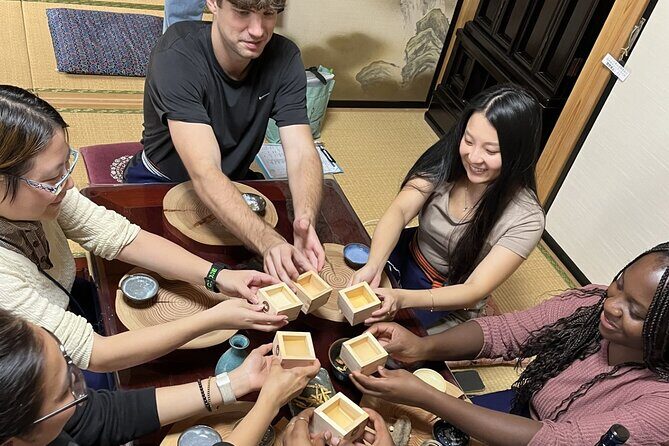
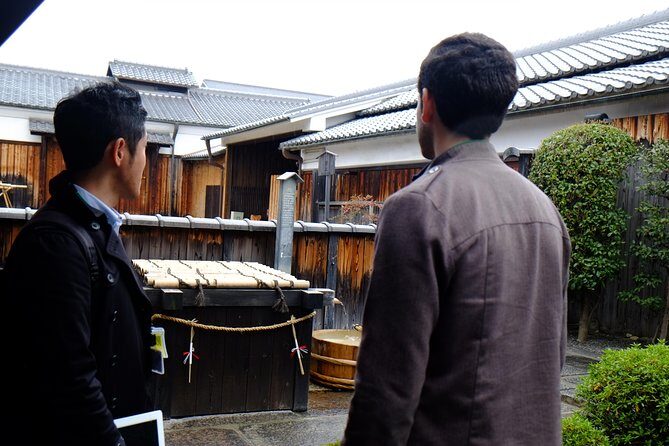
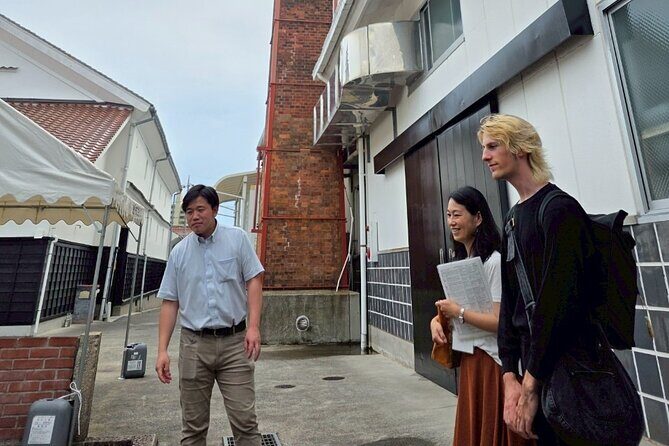
The heart of the tour is the visit to やまね酒造 (Yamane Brewery), which takes about 2 hours 20 minutes. Before you get technical, you’ll step into a home-like space associated with the head of a traditional Japanese house—full of character—and hear how their brewing differs from conventional methods.
Here’s what makes this place more interesting than a generic brewery stop: Yamane operates from what’s described as a repurposed convenience store, and the brewing setup is designed around older methods, not modern convenience. It’s a reminder that tradition isn’t just decoration—it’s part of how the flavors behave.
Wooden barrels change the flavor story
Most breweries lean heavily on stainless steel tanks because they’re clean and consistent. Yamane goes the other direction with traditional wooden barrels made from local Nishikawa timber. Wood doesn’t just look rustic; it changes how natural microorganisms interact with the mash and how the final sake tastes.
This is also where the tour’s “one-of-a-kind” promise becomes more than marketing. If you care about why small-batch products taste alive—different batch to batch—this is the moment you’ll understand it.
The bag-hanging technique
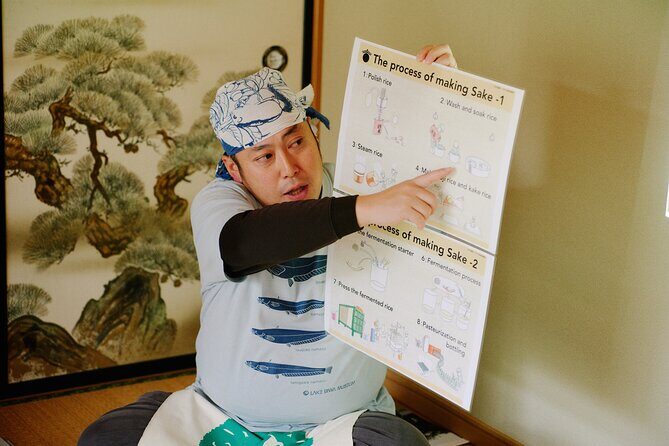
From the experience details and visitor notes, you’ll also hear about a traditional process that includes a bag-hanging technique. Even if you don’t remember every step, it helps you connect the dots: the brewery’s tools and techniques are trying to work with nature, not override it.
Doburoku: The Rare Sake Style You’ll Actually Understand
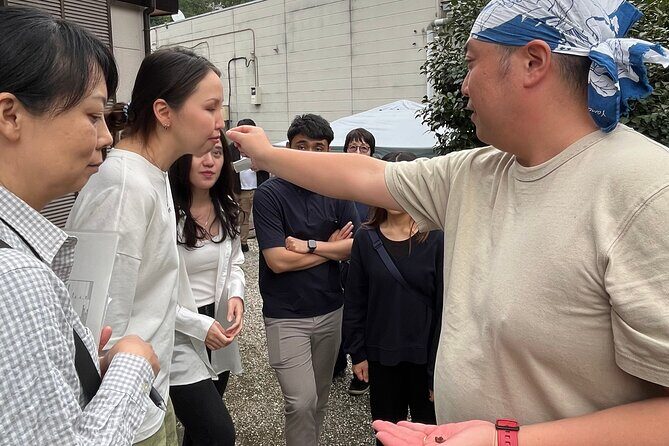
If you’ve only had mainstream sake, doburoku is a fascinating pivot. The key idea: doburoku is made by bottling the unfiltered mash (moromi) while fermentation continues.
That one sentence explains why it’s rare. When fermentation is still going inside the bottle, the product is harder to store and stabilize. That’s why you typically won’t see it served casually at restaurants. In other words, this isn’t a style built for shelf life—it’s built for freshness and immediacy.
During the tour, you’ll get a lecture that ties doburoku directly to how Yamane brews. You’re not just tasting alcohol; you’re tasting a process that refuses to be fully tame.
Why fermentation during bottling affects what you taste
You might notice differences in texture, aroma, and overall character compared with clearer, filtered sakes. Even if you don’t have fancy tasting vocabulary, the experience gives you enough context to recognize that the drink is behaving differently because the process is different.
If you like food you can explain as well as enjoy, you’ll have fun here. If you prefer to keep things casual, that’s fine too—you can still enjoy the learning-by-tasting format.
The Tasting: Three Sakes, Local Snacks, and Hanno-Soil Cups
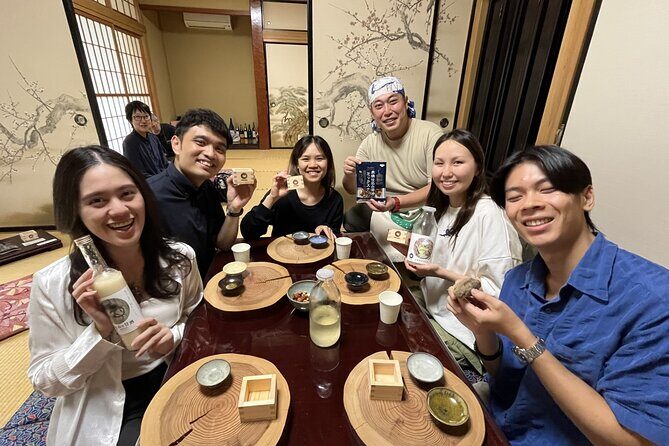
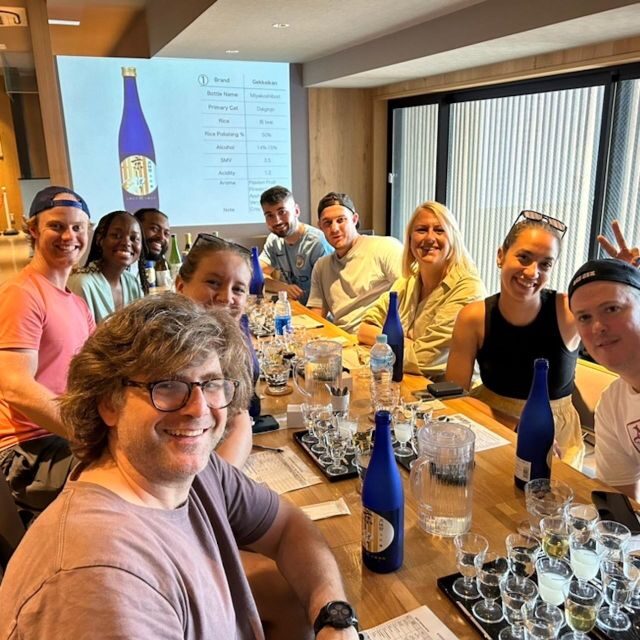
Now for the fun part: the tasting of three types of special sake, paired with snacks (tsumami-style). You’ll use cups made from 100% Hanno soil—a material no longer produced and available only in limited quantities.
That detail matters more than you’d think. The cups aren’t just a souvenir. They connect the tasting back to the land and the local materials the brewery relies on. It turns a drink-focused hour into something that feels place-based.
What to pay attention to during your pours
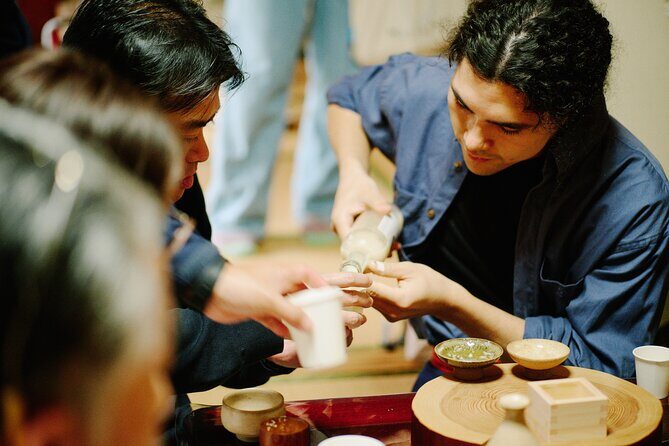
You’ll get guidance on how to serve and enjoy the sake properly. Visitor notes highlight that hosts explain proper ways to serve and that the tasting includes different types, including options that can taste sweeter.
So don’t rush your sips. Try to notice:
- the aroma change as you move from one style to another
- whether one pours feels lighter or fuller
- how the flavors land differently after the snack
Also, since alcohol is part of the program, pace yourself. You’re not racing through three pours; you’re sampling a progression.
The human side of the brewery
What really bumps this tour above average is the way the hosts talk about their work. Several visitors mention passionate hosts (names like Fukunari, Fuku-san, and Wakabayashi show up in visitor notes) who share craft details and even life-style lessons—like focusing on quality instead of squeezing more output.
That’s a big deal for a small-batch place. You’re not just consuming product; you’re meeting someone who treats it like a long-term craft.
Stop 3 Back at Hannō Station: Lunch Plans You’ll Need to Make
After the main brewery time, you’ll ride the bus back to Hannō Station with the guide. This part takes about 30 minutes, and it’s around lunchtime.
Here’s the one part you have to handle: lunch is not included. You’ll get recommendations for local restaurants from the guide, so you’re not left wandering hungry. Still, you should plan to eat in Hannō after the tour, because the schedule is built around that timing.
If you’re doing a longer day trip—say, rolling onward toward Chichibu or Kawagoe—this is a good pivot point. You’ll likely be more energized after lunch than after a full afternoon of train connections.
Price and Value: Is $100.43 Worth It?
At $100.43 per person for about 3 hours 30 minutes, this tour isn’t a budget pick. But it also isn’t just paying for a generic tasting flight.
You’re paying for a rare product and a rare method:
- doburoku, a style that’s hard to store and rarely served
- wooden-barrel fermentation with local Nishikawa timber
- three tastings plus snacks
- a small group experience with a maximum of 8 travelers
- the special touch of Hanno-soil cups made from limited material
If you’ve done big-name breweries where you get a quick talk and a standard lineup, this feels different. The size keeps the conversation practical, and the process focus keeps it from turning into a simple tasting checklist.
One more angle: because you start at Hannō Station and use public transport for most of the day, you’re likely to spend less on getting there than on tours that require private transfers from farther away. Still, the tour says private transportation costs aren’t included, so factor in your own train ticket to Hannō.
Who This Tour Fits Best (And Who Might Skip It)
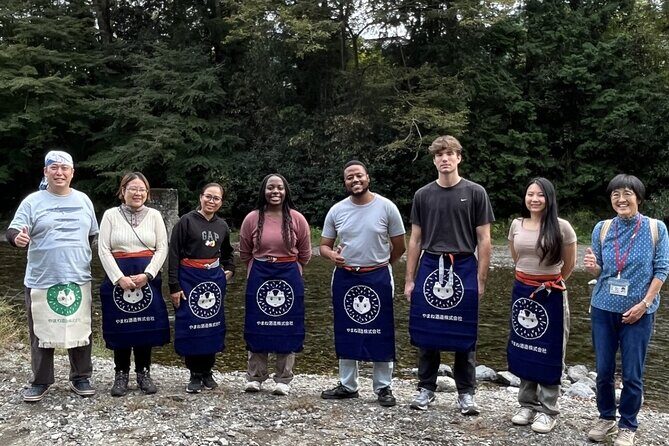
This tour is a strong match if you:
- love Japanese drinks and want something beyond mainstream sake
- care about how craft methods affect flavor
- prefer a small group setting where you can ask questions
- like experiences tied to specific places and local materials
It might be less ideal if:
- you need lunch included (you’ll plan it yourself)
- you don’t drink alcohol but still want a tasting-focused format
- you prefer large, high-energy tours rather than a slower craft explanation
For many visitors, the ideal plan is to pair this with a relaxed Hannō day, then continue outward toward nearby sights if you still have energy.
Should You Book Yamane’s Sake and Doburoku Tour?
I’d book it if you want real craft, not a canned script. The combination of doburoku, wooden barrels, and that Hanno-soil cup detail makes this feel tied to the land, not just the product. And the small group size means your questions won’t get lost in the shuffle.
I’d hesitate only if you’re tight on time for food, because lunch isn’t included and the tour ends back at Hannō Station around lunchtime. If that’s manageable, you’re set for a thoughtful, hands-on sake experience that explains what you’re tasting while you taste it.
FAQ
Where does the tour start?
It starts at Hannō Station (Hanno, Saitama, Japan). You’ll meet your guide after exiting the ticket gates by looking for the tour placard.
What time does the tour begin?
The start time is 1:00 pm.
How long is the experience?
The duration is approximately 3 hours 30 minutes.
How many people are in the group?
The tour has a maximum of 8 travelers.
What is included in the tour price?
The tour includes alcoholic beverages (a sake tasting) and snacks.
Is lunch included?
No. Lunch is not included, and you’ll be able to enjoy lunch at a local restaurant after returning to Hannō Station.
Do I need private transportation?
Private transportation costs are not included. The experience is noted as near public transportation, and the tour includes bus time between the station and the area around the brewery.
What happens after the brewery visit?
You’ll ride the bus back to Hannō Station with your guide, and the activity ends back at the meeting point.
Is there free cancellation?
Yes. You can cancel for a full refund up to 24 hours before the experience’s start time.
More Breweries in Saitama Prefecture
More tours in Saitama Prefecture we've reviewed
Craft Beer Tours, compared.
 ★ 5.03-Hour Kyoto Insider Sake Brewery Tour with Tastings & PairingsFrom $84
 ★ 5.0Kyoto: Insider Sake Brewery Tour with Sake and Food PairingFrom $873 hours
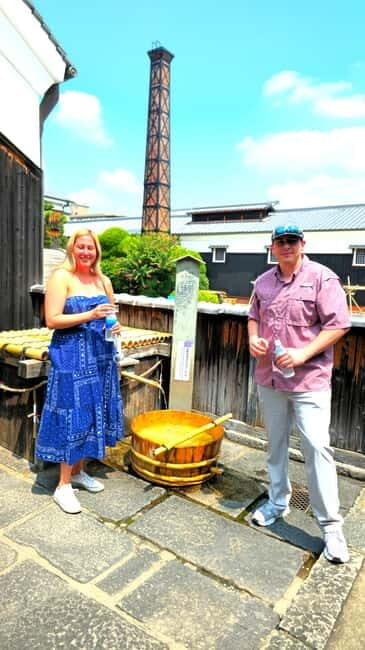 ★ 4.7Kyoto: Fushimi Sake Brewery Tour – 18 Tastings in 2.5 HoursFrom $932h 30m
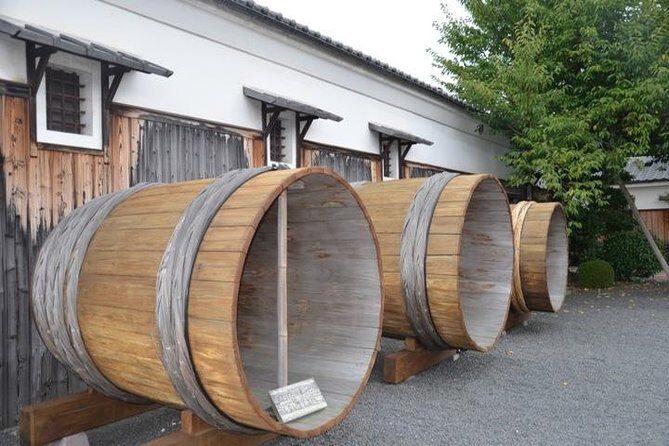 ★ 4.5Kyoto Sake Brewery Tour with LunchFrom $227
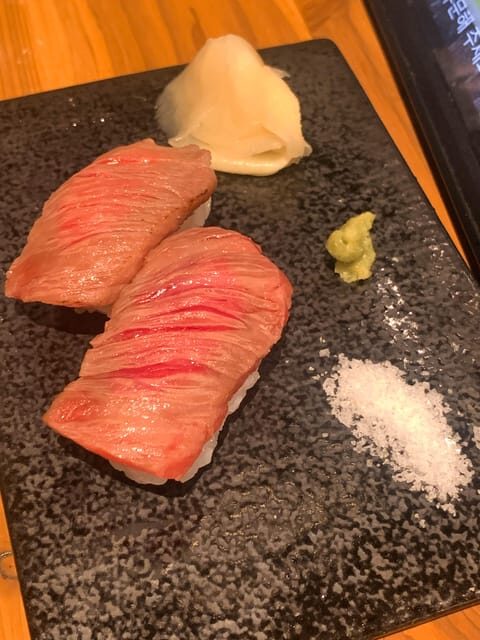 ★ 5.0Kobe: Sake Brewery Tour with Tasting and Kobe Beef BitesFrom $83150 minutes - 3 hours
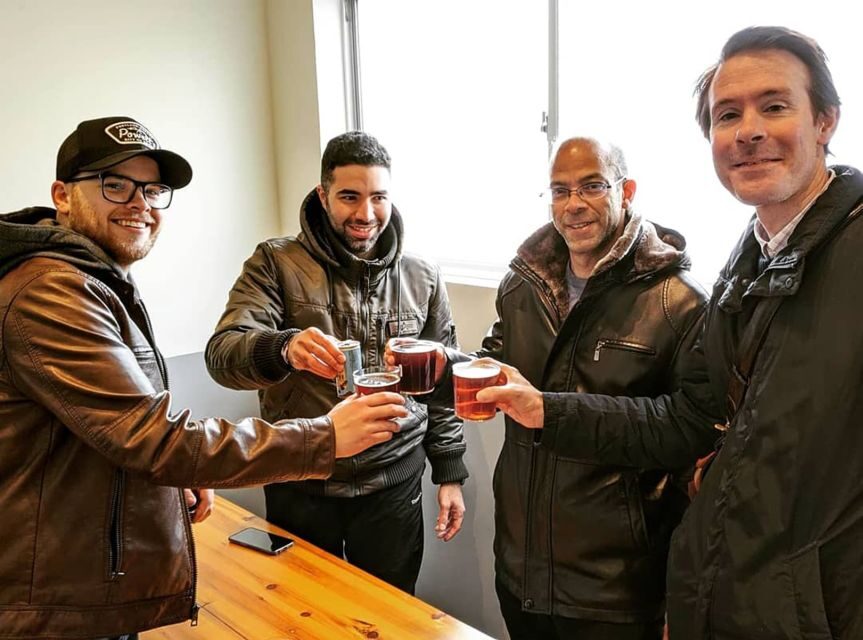 ★ 3.5Nara – Craft Beer, Sake, and Food Walking TourFrom $963h 30m
 ★ 5.0Visit behind the Scenes: Hiroshima Saijo Sake Brewery TourFrom $117
 ★ 4.7Kobe: Sake Brewery Tour with Tasting SakeFrom $833h 30m
The lists this tour appears in