
Reviewed · IZAKAYA FOOD TOURS
Tokyo: Izakaya Bar Experience at Kuuraku Ginza Reservation
Ginza can feel fast. This 2-hour yakitori course at Kufuraku Ginza slows things down with a warm, tavern-style setup and serious grilling skills. I like the way the menu is built around premium chicken and tight portion pacing, plus the drinks list with seasonal sake and award-winning wines. One drawback to plan for: you’re paying for a full course, and drinks aren’t included (water is the only included drink).
What makes it interesting is the focus on technique. The skewers come from Michinoku Seiryu chicken and are grilled over binchotan charcoal, aiming for that crisp exterior with juicy meat. You’ll also get the comfort of an English menu and staff who keep the experience easy to order. The trade-off is timing: your seating is reserved for a maximum of 2 hours, so come ready to eat and enjoy the flow.
In This Review
- Key things I’d note before you go
- Entering Kufuraku Ginza in the Middle of Busy Ginza
- The Yakitori Core: Michinoku Seiryu Chicken on Binchotan
- Your 2-Hour Course Options (5, 7, or 9 Skewers)
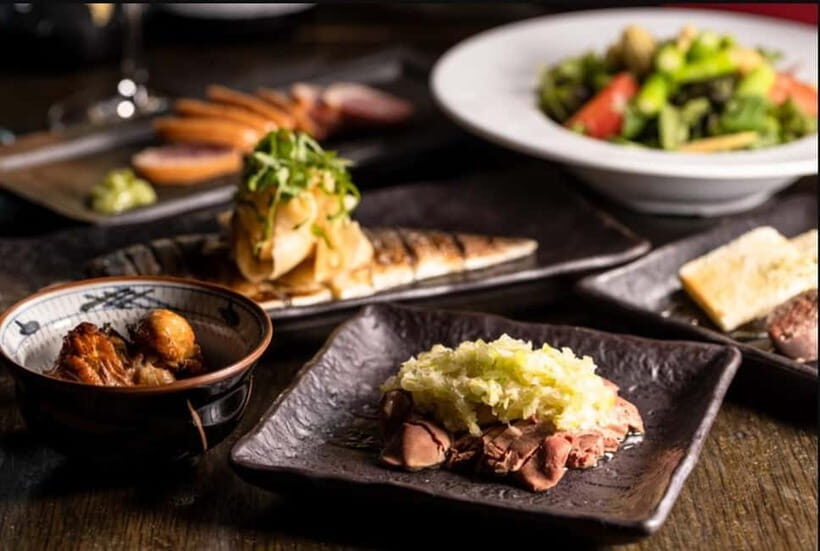
- Chef’s 5 Selected Skewers (Total 11 dishes)
- Chef’s 7 Selected Skewers (Total 14 dishes)
- Chef’s 9 Selected Skewers (Total 17 dishes)
- The Drinks: Seasonal Sake and Award-Winning Wine (Extra Cost)
- How the Meal Feels in Real Time: Pacing and “What to Expect”
- Price and Value: Is $34 a Good Deal?
- Who This Is Best For (and Who Should Skip It)
- Should You Book Kufuraku Ginza?
- FAQ
- What is included in the course?
- How long is the dining experience?
- Where do I meet for the reservation?
- Are drinks included?
- What are the menu sizes?
- What special items show up on the menus?
- Is a guide provided?
- Are children allowed?
- Want it in one sentence?
Key things I’d note before you go
- Binchotan charcoal grilling for a noticeably different yakitori bite than gas-grill versions
- Michinoku Seiryu chicken as the base of every course option (5, 7, or 9 skewers)
- Three full-course menu sizes so you can match appetite without weird add-ons
- Special toro liver listed as a signature small dish across the courses
- Sake and wine pairings are there if you want them, but you’ll pay extra for drinks
- English menu and friendly service make this a smooth first-Japan izakaya stop
Entering Kufuraku Ginza in the Middle of Busy Ginza
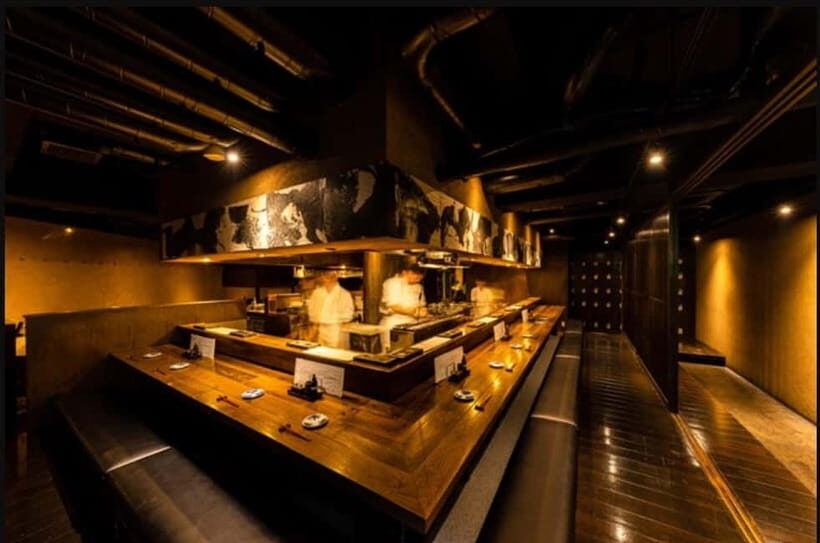
Kufuraku Ginza is the kind of place you’re glad you found on purpose. It’s not out in the quiet countryside, and it’s not trying to be fancy. You’re in central Ginza, then the moment you step inside, the mood turns into something more like a cozy Japanese dining room than a formal restaurant.
The booking is a restaurant reservation only situation. That means there’s no sightseeing loop and no guide walking you around town. When it’s time, you go right to the restaurant. Your “meeting point” is simply next to a Family Mart convenience store, then you follow that to the reservation entrance.
A practical tip: if you want the experience to feel relaxed, don’t arrive starving and hovering at the last minute. Walk in on time, get seated, and let the course pacing do its job.
Other izakaya food tours we've reviewed in Tokyo

The Yakitori Core: Michinoku Seiryu Chicken on Binchotan
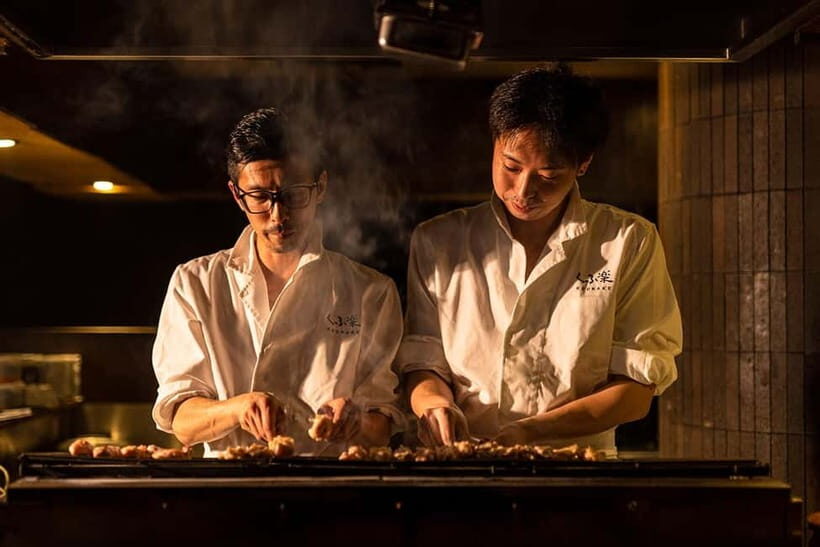
If you care about texture, this is the heart of the experience. The skewers are made from premium Michinoku Seiryu chicken—not just generic parts, but a chicken valued for tenderness and flavor. Then they’re cooked over binchotan charcoal.
Why does that matter to you? Binchotan grilling tends to create a distinct surface character: more aroma and that light crispness outside, while the inside stays juicy. When you eat yakitori that’s been done this way, you’re tasting a difference that goes beyond seasoning.
The menu also uses specific chicken parts and styles, not just “chicken skewer.” You’ll see options like:
- Scallion (negima)
- Breast
- Zuri (goblet-style inner organ, often liver-adjacent in flavor profile)
- Maruhatsu
- Wings
- Rare parts listed on the largest course
- One beef skewer on the 9-skewer course
That variety is one reason this works even if you’re not a hardcore yakitori person yet. You’re not locked into one flavor. You get a sequence of chicken experiences that make sense inside a meal.
Your 2-Hour Course Options (5, 7, or 9 Skewers)
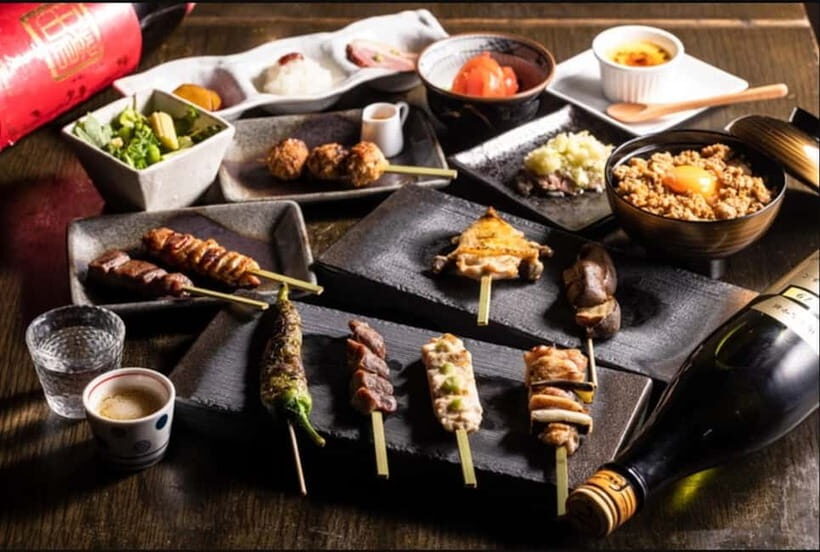
You choose your menu size up front, and it shapes the whole evening. All of them are “full course” formats, built around skewers plus smaller dishes and a final rice bowl, so you’re not stuck deciding every step.
Here’s the structure, simplified:
Chef’s 5 Selected Skewers (Total 11 dishes)
This is the lighter of the three. You’ll get:
- Appetizer and salad
- 4 skewers of Michinoku Seiryu chicken (with scallion plus breast and Zuri or Maruhatsu)
- Homemade tsukune included (that chicken meatball style skewer)
- 1 vegetable skewer
- Speciality small dish: special toro liver
- Special chicken soup
- Minced meat rice bowl
If you’re trying yakitori for the first time, this one is the easiest entry point. It hits a range of parts without turning your meal into a marathon.
Chef’s 7 Selected Skewers (Total 14 dishes)
This is a step up in variety and volume:
- Appetizer and salad
- 5 chicken skewers (scallion, breast, Zuri or Maruhatsu, plus wings)
- Homemade tsukune
- 2 vegetable skewers
- Toro liver small dish
- Grilled soused mackerel
- Special chicken soup
- Minced meat rice bowl
The added value here is the grilled soused mackerel. If you want the meal to feel more like a true izakaya spread—fish plus chicken—this menu does that.

Chef’s 9 Selected Skewers (Total 17 dishes)
This is for when you want the full experience and you’re hungry:
- Appetizer and salad
- 6 chicken skewers (scallion, breast, Zuri or Maruhatsu, plus wings, plus 4 kinds of rare parts)
- Homemade tsukune
- 2 vegetable skewers
- 1 beef skewer
- Toro liver small dish
- Special chicken soup
- Dessert
- Minced meat rice bowl
This one adds dessert and more “variety meat.” It’s the best fit if you’re the type of eater who wants to sample different textures and flavors without ordering extra later.
A key practical point: because your seat is reserved for a maximum of 2 hours, don’t plan to linger after the last dish. The courses are designed to land on schedule.
The Drinks: Seasonal Sake and Award-Winning Wine (Extra Cost)
Drinks are not included except for water, so think of the meal as the base value and then add drinks if you want pairing.
That said, Kufuraku’s lineup is part of the appeal. You can choose:
- Seasonal Japanese sake
- Award-winning wines
- A named example listed on the information: Aota from Kitaya, Fukuoka
If you want an easy decision, go with sake first. Sake tends to match well with salty-sweet chicken skewers and charcoal flavors. If you prefer wine, the presence of award-winning bottles means you’re not stuck with a tiny, generic list.
One more thing to keep in mind: Japan’s legal drinking age is 20 or older, so plan accordingly.
Also, you can mention dietary restrictions during checkout. That’s your chance to communicate needs before you arrive.
How the Meal Feels in Real Time: Pacing and “What to Expect”
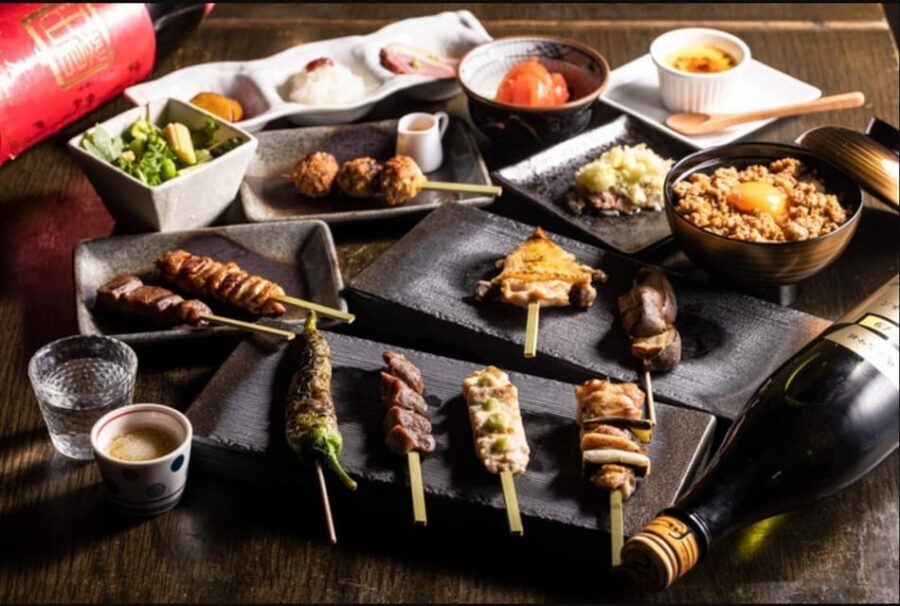
This is not a slow, multi-course dinner where you wait forever between plates. It’s a course meal designed for momentum. You’ll typically move from appetizer and salad into skewers, then into the small dish and soup, then finish with the minced meat rice bowl.
Here’s what you can expect from a practical standpoint:
- You’ll be eating multiple skewers in sequence, not one-by-one stretched out.
- The special toro liver shows up as a small dish across the menus, so it’s a highlight even if you don’t pick the biggest course.
- The chicken soup acts like a palate reset before the final rice bowl.
- Your biggest decision is which menu size matches your hunger, not which individual items to order.
One small consideration: specific seat types can’t be guaranteed. So if you’re hoping for a particular table position for photos, just know the room assigns seating within the time slot.
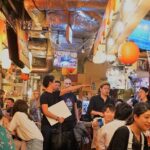
And yes, the environment is set up for modern dining. The booking page even points out Instagram-ready vibes with a neon-lit feel outside and a cozy interior inside.
Price and Value: Is $34 a Good Deal?
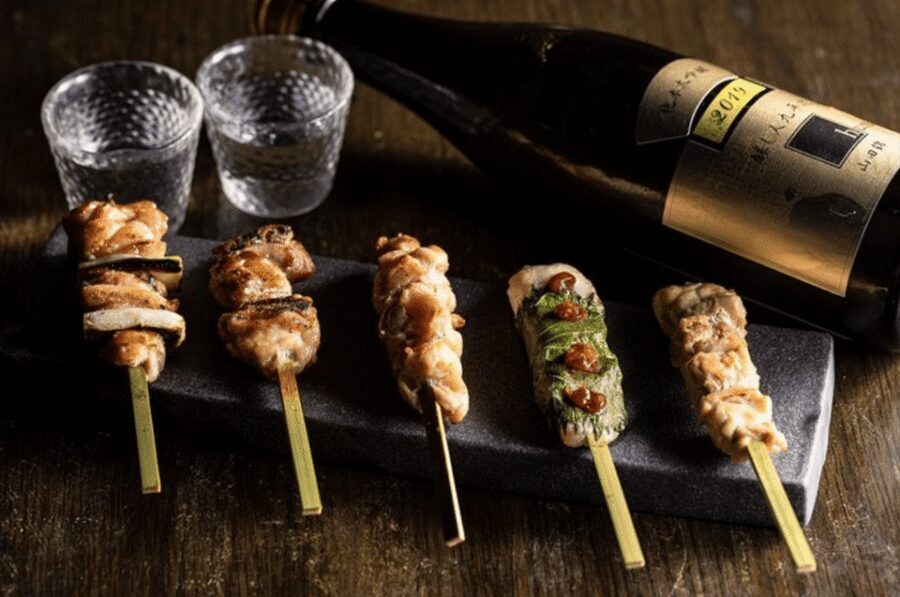
At about $34 per person, this isn’t a cheap “snack” night. But it is strong value for what you get: a full course menu with multiple dishes and skewers plus sales tax and reservation included.
The math works like this for you:
- You’re paying for the whole meal package.
- You’re not paying à la carte for each skewer.
- You’re still responsible for drinks (besides water), so the final bill can rise if you add sake or wine.
So the best way to think about value is this: if you want a proper yakitori dinner and you don’t want to puzzle out ordering, this format is convenient and predictable. If you’re only looking for one skewer and a casual drink, then you might find it overpriced versus lighter, cheaper options nearby.
Where it really shines is when you want the experience of multiple chicken parts plus a final rice bowl, all in a tight 2-hour window.
Who This Is Best For (and Who Should Skip It)
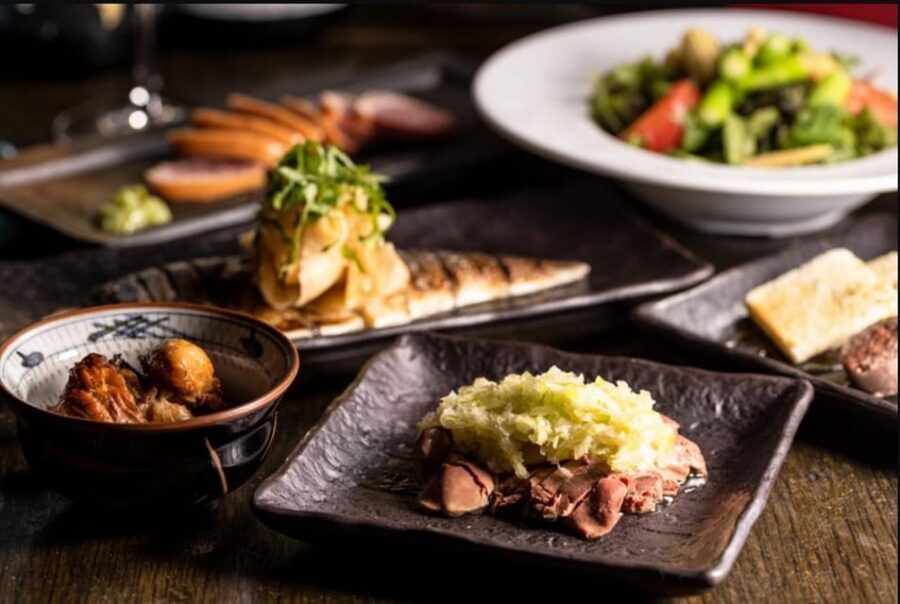
This works especially well if:
- You want a first-timer-friendly izakaya meal in Tokyo.
- You like the idea of binchotan-grilled yakitori without hunting down separate places.
- You want menu structure (5, 7, or 9 skewers) so you can pick your appetite level.
It may not be your best choice if:
- You’re mostly interested in drinking and don’t care about a full course.
- You’re sensitive to the idea of a fixed seating time. The table is reserved for up to 2 hours.
If you’re traveling solo, note that bookings are accepted from one guest, which makes it simpler than many group-oriented dining reservations.
Should You Book Kufuraku Ginza?
I’d book it if your Tokyo trip includes a real izakaya meal and you want it to feel both local and manageable. The biggest reasons are the grilling method (binchotan) and the chicken focus (Michinoku Seiryu), plus the fact that the course menus are clearly defined in skewer counts and dish variety.
Pick the 5-skewer course if you want an efficient introduction. Pick the 7-skewer course if you want the extra fish component. Go with the 9-skewer course if you’re the one who always says yes to “one more skewer,” and you want a dessert finish too.
If you’re budget-minded, decide your drinks budget before you go. The food value is solid; drinks are where the bill can creep up.
FAQ
What is included in the course?
The full course menu is included, along with sales tax and the reservation. Water is included, but drinks other than water are not.
How long is the dining experience?
It’s scheduled for 2 hours, with seating reserved for a maximum of that time.
Where do I meet for the reservation?
The meeting point is next to a Family Mart convenience store.
Are drinks included?
No. Drinks are not included except for water.
What are the menu sizes?
There are three options: 5 selected skewers, 7 selected skewers, and 9 selected skewers, each with a set number of dishes.
What special items show up on the menus?
A special toro liver dish is listed as a small dish across the course options. The 7- and 9-skewer courses also include additional items like grilled soused mackerel (7-skewer course) and dessert (9-skewer course).
Is a guide provided?
No guide is provided. When it’s time, you enter the restaurant directly.
Are children allowed?
Children under 6 years old are free of charge. Children 6 years and older are required to order the regular course.
Want it in one sentence?
If you want a structured yakitori dinner in central Ginza with binchotan-grilled chicken, pick a course size, plan for drinks cost separately, and enjoy the 2-hour rhythm.
More Izakaya Food Tours in Tokyo
More tours in Tokyo we've reviewed


Izakaya Food Tours, compared.
 ★ 5.0Best of Shinjuku: Izakaya Food Tour (4 Stops, 14+ Tastings)From $92
 ★ 4.9Tokyo: Shinjuku Local Bar and Izakaya Guided Walking TourFrom $343 hours
 ★ 5.0Tokyo: Shinjuku Local Bar & Izakaya Crawl TourFrom $39
 ★ 4.9Kyoto: Izakaya Bars Guided Walking TourFrom $253 hours
 ★ 4.9Osaka: Izakaya Bars Guided Walking TourFrom $193 hours
 ★ 4.9Shibuya: Local Bar & Izakaya CrawlFrom $293 hours
 ★ 5.0Hiroshima Izakaya Food and Drink Night TourFrom $110
 ★ 4.9Kyoto: Afternoon Japanese Izakaya Cooking ClassFrom $673 hours
The lists this tour appears in