
Reviewed · BREWERIES
Fukuoka: Yufuin & Beppu Day Tour (Dazaifu / Brewery Options)
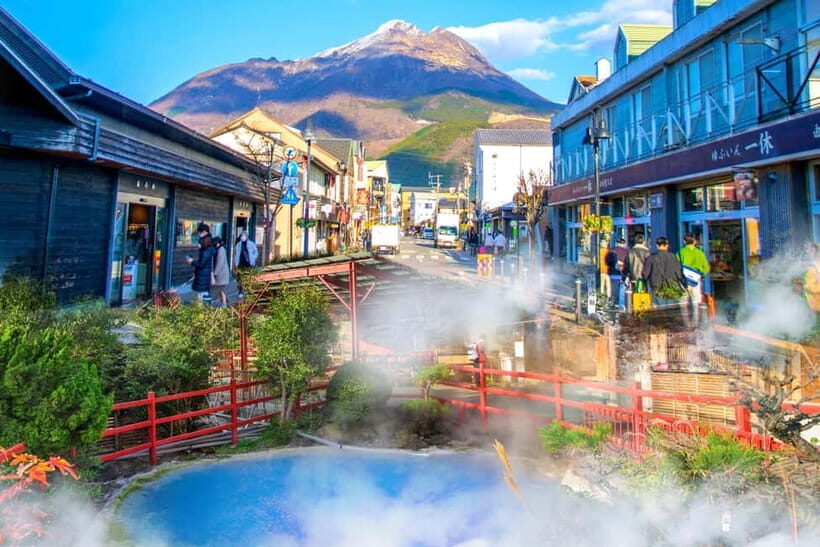
Beppu steam plus Yufuin calm in one day. I like how this tour strings together Kamado Jigoku color-and-steam stops and Yufuin onsen-town browsing, so you get a real change of pace without planning transfers yourself. The one catch is the schedule is tight, so each major sight gets a limited window and you’ll be on a coach for a good chunk of the day.
What makes it especially interesting is the choice at the back end: go toward Hita for retro streets, local beer, and the Attack on Titan museum, or switch toward Dazaifu Tenmangu for a more reflective finish. You also get an English/Korean speaking guide, which helps you move faster through photo spots and keep the story straight. One practical consideration: if you sit far back on the bus, you may not hear the guide as clearly, and longer rides can be tough if you’re prone to motion sickness.
In This Review
- Key highlights at a glance
- How the Fukuoka to Yufuin and Beppu day tour is paced (570 minutes)
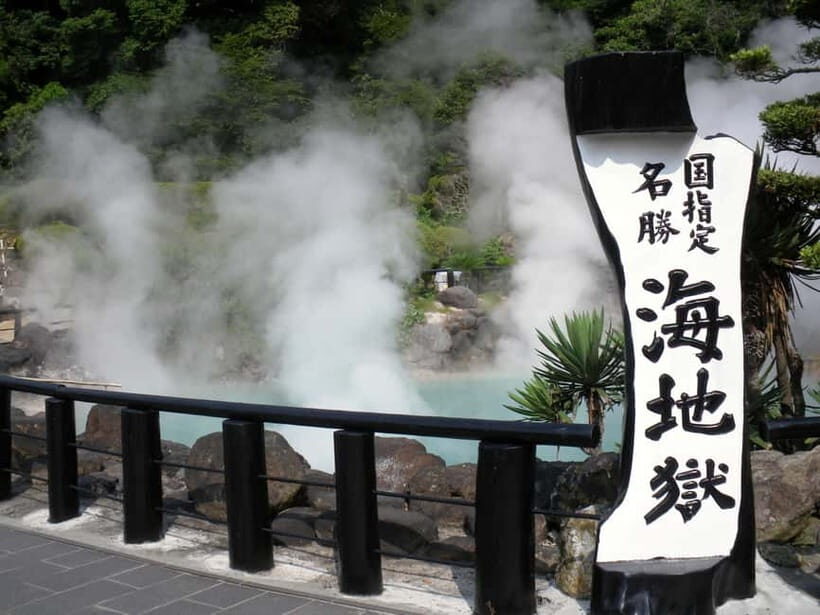
- Beppu’s Kamado Jigoku: steam, color, and quick photo windows
- Kannawa and Mount Yufu: the scenic in-between moments
- Yufuin Onsen town: 2 hours to browse, snack, and breathe
- The Sapporo Hita Brewery course: Mamedamachi, beer, then Attack on Titan
- The Dazaifu Tenmangu course: Yufudake photos and a calm shrine finish
- Guide and driver quality: what makes the day feel easy
- Price and value: what $55 covers on a 10-hour Kyushu run
- Who should book this Fukuoka day tour (and who should not)
- Should you book it? A quick decision checklist
- FAQ
- Where are the meeting points?
- How long is the tour?
- What’s included in the price?
- What isn’t included?
- Is there a guide during the tour?
- Are there two different courses?
- Do you visit Kamado Jigoku and Kannawa?
- How much time do you get in Yufuin?
- What if the brewery is unavailable on my date?
- Is the Attack on Titan museum included?
Key highlights at a glance
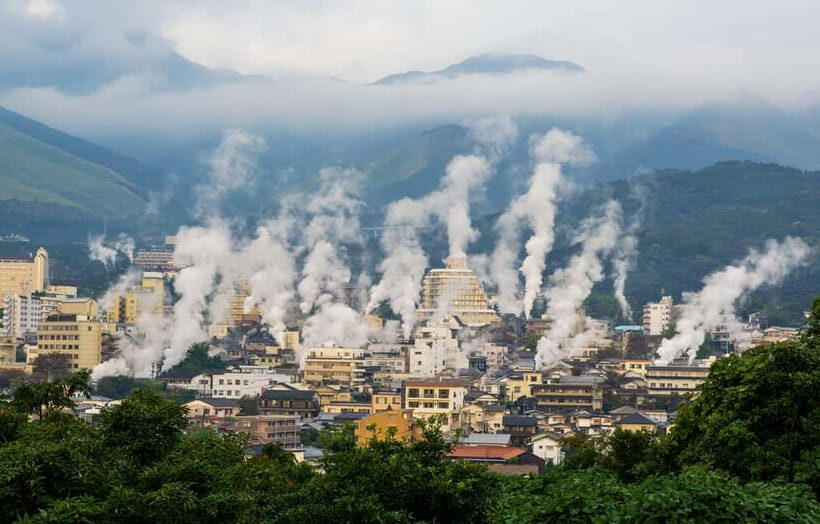
- Kamado Jigoku and Kannawa: short, high-impact geothermal stops with photo time and free time
- Yufuin (2 hours): enough room to shop, snack, and enjoy the town atmosphere
- Two course options after Yufuin: Hita beer and Attack on Titan, or Yufudake photo views plus Dazaifu Tenmangu
- Dazaifu Tenmangu (70 minutes): garden-and-shrine time focused on academic success
- Guide-led pacing: English/Korean explanations that keep the day flowing
How the Fukuoka to Yufuin and Beppu day tour is paced (570 minutes)
This is a 10-hour day trip (570 minutes) built around bus travel out of Fukuoka and a packed sequence of stops. You start from one of two meeting points in Fukuoka (either the Lawson Oriental Hotel area or Fukuoka Central Post Office), then spend time moving between cities—there are scheduled coach stretches and even a short break at Kusu Service Area.
The tour is also designed around the reality of Japanese road limits: vehicles can’t operate for more than 10 hours, and the guide may adjust the plan based on traffic and weather. That matters because some parts of the day are “photo stop” style, so when you’re on a schedule, you want to be ready to step out fast and take your shots.
The price sits at $55 per person, and that number makes more sense once you see what you get: transportation plus an English/Korean speaking guide. It doesn’t include meals or admission fees, so the actual spending depends on what you choose to pay for on-site and how you eat during free time. Still, you’re buying back a lot of planning effort—getting from Fukuoka to multiple Kyushu highlights in one day is the whole point.
Beppu’s Kamado Jigoku: steam, color, and quick photo windows
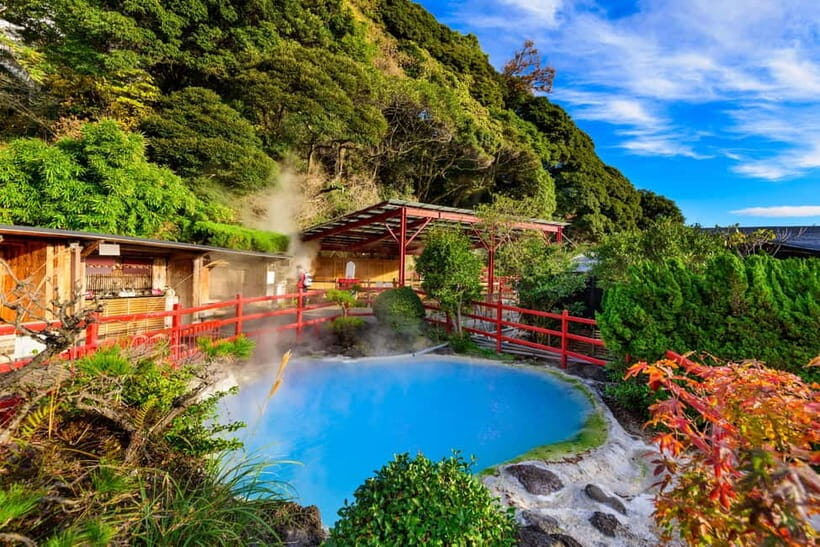
Your first major sightseeing hit is Kamado Jigoku in Beppu. You get a photo stop and time for visiting with a short block of free time—about 15 minutes total for that stop. That’s not long, but it’s built for impact: geothermal areas are best when you can watch steam rising and colored pools in motion rather than read about them for hours.
Here’s how I’d approach it so you feel it’s worth the time. Go straight for the best viewpoints, take a few steady photos before people drift in different directions, and use the free time to re-check angles. Because you only have a small window, you’ll get more out of the stop if you treat it like a “capture and look” moment, not a slow wander.
After Kamado Jigoku, you’re back on the bus rhythm, which leads to the next Beppu-style stop. Expect similar timing: you’re seeing the geothermal theme in different angles without needing to be based in Beppu overnight.
Kannawa and Mount Yufu: the scenic in-between moments
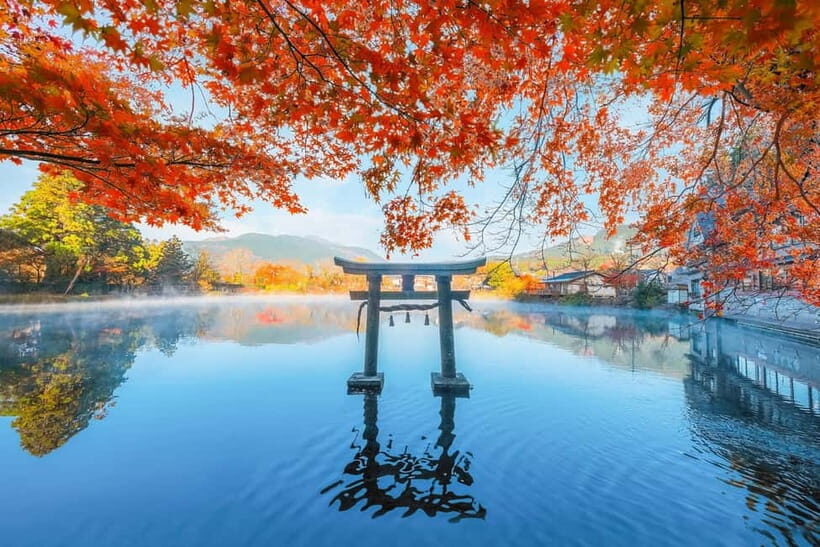
Right after Kamado Jigoku, you’ll stop at Kannawa. Like Kamado Jigoku, it’s a photo stop plus visiting and free time, again about 15 minutes. Kannawa complements Kamado Jigoku well because it keeps you in the Beppu geothermal zone while changing the look of what you’re seeing. If you want a “set” of Beppu impressions, this is the structure that makes it work.
Then you get a brief Mount Yufu photo stop (about 10 minutes). This one is short by design. It’s not meant to be a hiking day; it’s a quick chance to grab mountain views and reset your eyes after steam and hot-spring atmosphere.
One small but smart mindset shift: use these intermediate stops to refresh yourself. The day is long, so those minutes are your chance to stretch your legs, take photos while lighting is good, and avoid fatigue creeping in before Yufuin.
Yufuin Onsen town: 2 hours to browse, snack, and breathe
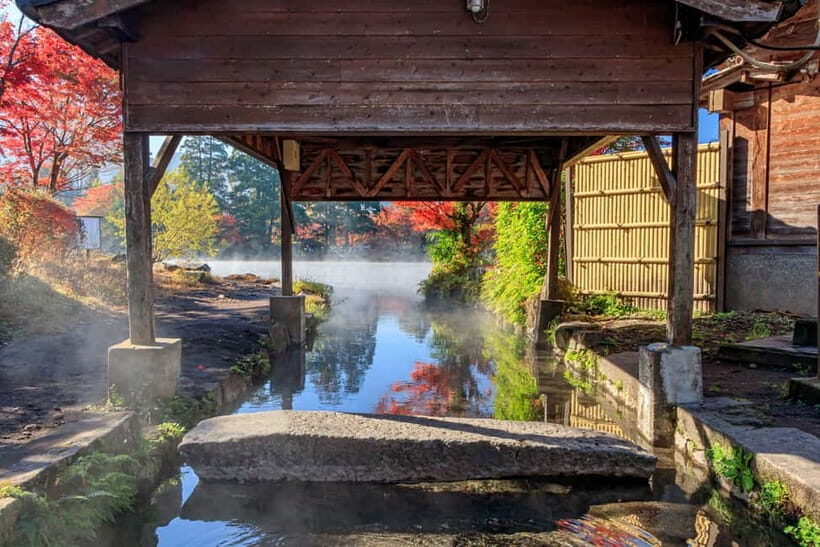
The schedule gives you about 2 hours in Yufuin Onsen, and this is where the day often feels like a real vacation instead of a checklist. Yufuin is set up with charming shops, cafés, and relaxing pathways with mountain views. The key is that you’re not rushed through one building or one viewpoint—you get time for browsing and wandering.
I especially like how Yufuin is placed after Beppu. It’s the first real chance to slow down after the geothermal spectacle. In that 2-hour window, you can walk the town lanes, pop into casual snack spots, and choose how you want to spend the time rather than only follow a strict route.
If you want onsen-focused time, this part of the day is also the most likely to satisfy you, since Yufuin is known for onsen culture. You’ll have enough time to look at options and enjoy the town atmosphere even if you don’t plan a full spa session. Either way, the time block is generous compared with the shorter Beppu stops.
The Sapporo Hita Brewery course: Mamedamachi, beer, then Attack on Titan
If you pick the Sapporo Brewery Course, the day’s second half leans playful and retro. First is Mamedamachi in Hita: a photo stop plus about 1 hour for visit and free time. This retro-style street is about atmosphere—historic-feeling architecture and classic local snacks—so you’ll likely spend your time looking for quick bites and easy-to-carry treats.
Next comes Sapporo Beer Museum (about 25 minutes). It’s a short stop, but it’s the kind of place where even a brief visit can give you a better sense of how beer culture ties into the region.
Then the tour adds the pop-culture highlight: Attack on Titan in HITA Museum ANNEX (about 15 minutes). What makes this interesting isn’t only the theme—it’s the note that the museum is at the birthplace area of creator Hajime Isayama. If you’re an anime fan, it turns an otherwise standard sightseeing day into something more personal.
One date detail to watch: on certain 2026 dates when the Sapporo Kyushu Hita Brewery isn’t operating, your scheduled time at the brewery may be replaced by included time at the Attack on Titan museum. That can affect whether you feel you got the beer-focused part of the course, so it’s worth checking your travel date before you decide what you care about most.
The Dazaifu Tenmangu course: Yufudake photos and a calm shrine finish
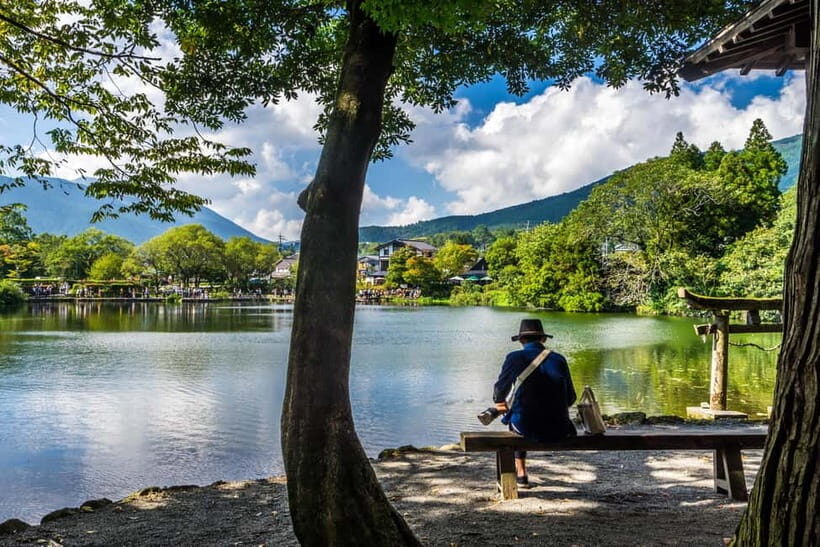
If you prefer a more spiritual and scenic finish, the Dazaifu Tenmangu Course is the better match. You’ll get a short 10-minute stop at Yufudake for photos. The payoff here is the mountain panoramic view before you move toward Yufuin.
After that, the plan closes with Dazaifu Tenman-gū, with about 70 minutes for photo stop, visit, and free time. This shrine is one of Japan’s important spots dedicated to academic success, so the atmosphere is calmer and more focused than a theme park style attraction. You’ll also see lush gardens, stone bridges, and sacred plum trees in the shrine grounds, which is a nice change from steam and streets.
This course tends to work well when you want variety without the anime and beer stops. You’ll still get Yufuin time, but the final chapter of the day is more about reflection and scenery than snacks and exhibits.
Guide and driver quality: what makes the day feel easy
A day tour lives or dies by the guide, and this one is specifically set up with English and Korean support. The guide’s job isn’t only translation—it’s also timing, group movement, and making sure you understand what you’re looking at during short stops.
From the names that show up with past departures, you might meet guides like Tae, Yusuke, K, or 정재원. Even when languages differ by region, the goal is the same: keep you informed without turning the day into nonstop lectures.
There’s also a comfort reality. One traveler noted the guide leaned more into Korean during explanation, and the voice didn’t reach the back of the bus well. Another mentioned motion sickness on the way to Yufuin, especially from a back seat. I’d treat this as a seat-selection hint: if you want the narration clearly and you’re prone to car sickness, try to sit closer to the front.
The good news is the tour includes a driver, and coach days can feel smoother when the driving is steady and predictable. When that happens, the schedule stops feeling stressful and more like a well-managed day.
Price and value: what $55 covers on a 10-hour Kyushu run
At $55, you’re paying mainly for logistics. The tour includes transportation and a live guide (English/Korean). That’s the big value piece, because getting between Fukuoka, Beppu, Yufuin, and the optional Hita or Dazaifu segments by your own hands would cost time and planning.
What’s not included is also crucial: meals and admission fees and activity charges are extra. That means your total budget depends on whether you want to enter paid attractions, how often you grab meals during free time, and what snacks you decide are worth stopping for in retro streets.
Here’s the fair way to judge value: if you’re comfortable doing quick stops and prefer seeing many places in one day, this price can feel efficient. If you want long stays in one place—especially in Beppu city itself—or if you plan to pay for multiple ticketed entries, the overall cost rises.
Still, the core experience is built around access: you show up, get oriented, and hop to the next highlight on a fixed schedule.
Who should book this Fukuoka day tour (and who should not)
This tour fits best if you want a first-timer-friendly Kyushu sampler without the hassle of trains and taxis. It’s also a strong pick if you like variety: geothermal spectacle (Beppu), onsen-town atmosphere (Yufuin), and either retro snack street plus beer and anime (Hita course) or a shrine-focused cultural finish (Dazaifu course).
It’s also a good option for families because the pace is guided and the stops are short enough to keep little attention spans from melting down. Kids may also enjoy the anime element if you choose the Hita course.
Where it might feel wrong is if you expect deep exploration of Beppu. The Beppu stops are intentionally short, so you’ll see the geothermal highlights more than you’ll live inside Beppu. And if you strongly prefer free time over structure, you’ll feel the pull of a timetable.
If you’re especially sensitive to car motion, plan seating with that in mind. The day’s many coach stretches are part of the package.
Should you book it? A quick decision checklist
Book this tour if you want:
- One-day access to Beppu’s geothermal sights and Yufuin’s onsen town vibe
- A choice between Hita beer + Attack on Titan fun or a calmer Dazaifu Tenmangu shrine ending
- A guided day that handles the driving while you focus on photos, browsing, and short visits
Skip it if you:
- Want long, slow time in any one city rather than “see a lot” pacing
- Are hoping admissions and meals are included in the price
- Prefer audio narration from far-back seats and you know that’s a problem for you
FAQ
Where are the meeting points?
You can start from either the Lawson Oriental Hotel Fukuoka Store area or the Fukuoka Central Post Office. The exact meeting point may vary depending on which option you book.
How long is the tour?
The total duration is listed as 570 minutes, about 10 hours.
What’s included in the price?
Transportation is included, plus a live guide who speaks English and Korean.
What isn’t included?
Meals are not included, and admission fees and activity charges are also not included.
Is there a guide during the tour?
Yes. You’ll have a live guide who speaks English and Korean.
Are there two different courses?
Yes. You choose either the Sapporo Brewery course or the Dazaifu Tenmangu course.
Do you visit Kamado Jigoku and Kannawa?
Yes. The schedule includes a photo stop and visit time at Kamado Jigoku and a photo stop and visit time at Kannawa.
How much time do you get in Yufuin?
The tour lists about 2 hours for Yufuin Onsen: visit, shopping, sightseeing, and free time.
What if the brewery is unavailable on my date?
For certain 2026 dates, Sapporo Beer Museum timing may change because the Sapporo Kyushu Hita Brewery is listed as not available. Scheduled time is included in the Attack on Titan museum instead, depending on the date.
Is the Attack on Titan museum included?
It is included in the itinerary as Attack on Titan in HITA Museum ANNEX with a short visit and sightseeing window. On specific dates when the brewery is not available, the brewery time may be replaced by included time at the Attack on Titan museum.
Breweries, compared.
 ★ 5.03-Hour Kyoto Insider Sake Brewery Tour with Tastings & PairingsFrom $84
 ★ 5.0Kyoto: Insider Sake Brewery Tour with Sake and Food PairingFrom $873 hours
 ★ 5.0Kyoto Sake Brewery & Tasting Walking TourFrom $98
 ★ 5.0KOBE Sake Tasting Tour at Breweries (tasting fee included)From $109
 ★ 5.0Hiroshima Saijo Sake Tasting Tour with visit to 7 BreweriesFrom $50
 ★ 5.0Takayama: Authentic Sake Tasting at a Historic BreweryFrom $50
 ★ 5.0Kobe: Guided Sake Breweries Tour with TastingsFrom $1063h 30m
 ★ 5.0Sake Brewery and Japanese Life Experience Tour in KobeFrom $83
The lists this tour appears in